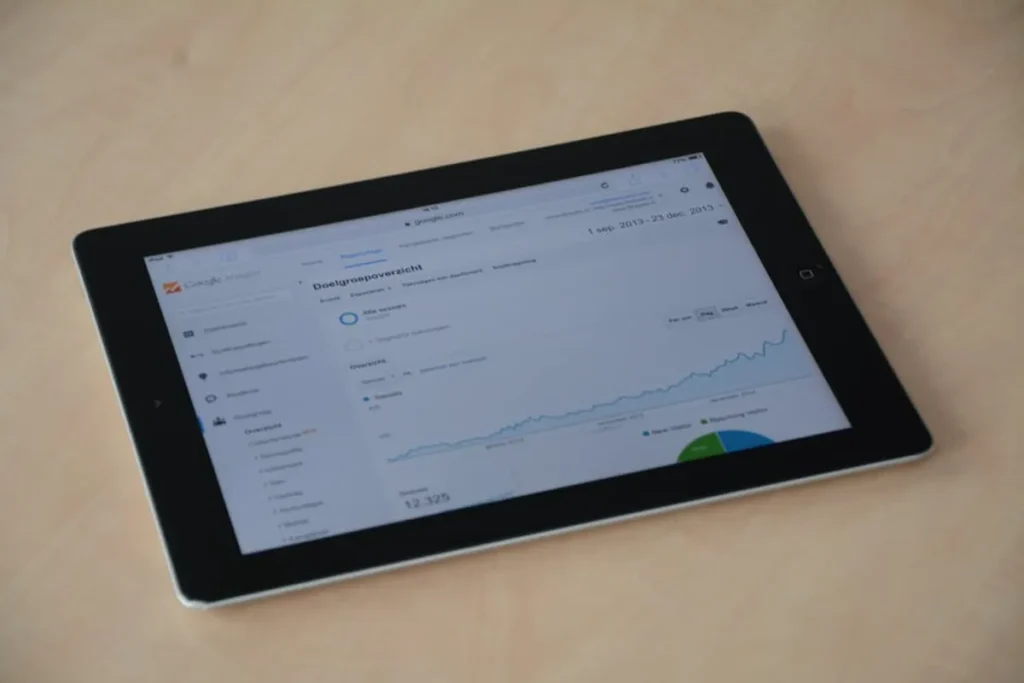
For SEO professionals and marketers, the decision to implement a keyword ranking tracker for daily SERP position monitoring is a strategic investment, not a routine chore. Periodic rank checks, whether weekly or monthly, offer a delayed, often incomplete, picture of your organic visibility. Daily tracking, by contrast, provides real-time data, enabling agile responses to market shifts, algorithm updates, and competitor movements. This granular insight is critical for understanding immediate impacts on traffic potential, informing content adjustments, and, ultimately, driving conversion rate optimization (CRO) efforts. This level of detail is why many businesses choose to track Google rankings daily, ensuring they have the most up-to-date information.
The Imperative of Daily SERP Monitoring for Conversion
Daily SERP position tracking moves beyond vanity metrics. It establishes a direct feedback loop between your SEO actions and their market reception. Observing daily fluctuations allows for rapid identification of performance anomalies, whether positive or negative. A sudden drop in position for a high-value keyword, for instance, signals an urgent need for investigation and potential content refresh or technical audit. Conversely, a consistent upward trend validates recent optimizations and indicates opportunities to double down on successful strategies. This agile approach is key to effectively monitor keyword positions accurately and maintain a competitive edge.
This level of detail directly impacts conversion strategy. When a key commercial-intent keyword gains or loses positions, the potential traffic volume to your landing page changes immediately. Daily tracking allows you to correlate these rank changes with traffic analytics and conversion data, isolating the true impact of SERP visibility on your bottom line. It's about understanding the micro-movements that dictate macro-outcomes.
Key Features for Effective Daily Tracking
To maximize the commercial utility of daily SERP tracking, look for specific capabilities in your chosen solution. These features move beyond basic rank reporting to provide actionable intelligence:
- True Daily Updates: Ensures data reflects the most current SERP landscape, crucial for responding to volatile search environments. Some tools offer "daily" updates but only refresh every 24-48 hours; confirm true daily polling.
- Granular Location and Device Tracking: Allows you to monitor rankings for specific geographic areas (city, state, country) and across different devices (desktop, mobile). This is essential for localized businesses or those with distinct mobile user experiences.
- Competitor Intelligence: The ability to track competitor rankings alongside your own provides critical context. Understanding their performance helps identify market opportunities or threats.
- SERP Feature Monitoring: Beyond organic positions, tracking visibility in SERP features like featured snippets, local packs, image carousels, and People Also Ask boxes is vital. These often capture significant click-through rates.
- Historical Data Retention: Long-term data storage allows for trend analysis, identifying seasonal patterns, and measuring the cumulative impact of SEO campaigns over months or years.
- Automated Alerting: Configurable alerts for significant rank drops or gains (e.g., a top 3 keyword falling out of the top 10) ensure immediate notification, preventing prolonged visibility loss.
- Reporting and Export Options: Robust reporting capabilities, including customizable dashboards and data export functions, are necessary for internal analysis, client communication, and integration with other analytics platforms.
Implementing a Daily Tracking Workflow
Effective daily tracking requires a structured approach, integrating data collection with analysis and action. This isn't just about watching numbers; it's about building a responsive optimization cycle.
Keyword Selection and Grouping for Commercial Impact
Prioritize keywords with clear commercial intent. These are terms directly related to your products, services, or conversion goals. Group keywords by associated landing page, conversion funnel stage (e.g., awareness, consideration, decision), or product category. This allows for focused analysis and targeted optimization efforts. For example, a group of keywords pointing to a specific product page can be monitored together to assess that page's overall organic performance and its contribution to sales.
Include a mix of high-volume head terms and specific long-tail queries. While head terms drive significant traffic, long-tail keywords often exhibit higher conversion rates due to their specificity. Tracking both provides a balanced view of your organic conversion potential.
Establishing Baselines and Interpreting Fluctuations
Before implementing any new SEO strategy or content changes, establish a baseline of current rankings. This provides a clear point of comparison. Once daily tracking begins, pay attention to consistent trends rather than isolated daily shifts. The search landscape is dynamic; minor daily fluctuations are normal. Significant, sustained movements (e.g., a keyword dropping 5+ positions for multiple days) warrant deeper investigation.
Pro Tip: Avoid analysis paralysis by focusing your daily review on a prioritized subset of your most critical, high-commercial-intent keywords. For broader keyword sets, shift to weekly or bi-weekly deep dives. This ensures you react to the most impactful changes without getting overwhelmed by noise.
Translating Rank Data into Conversion Actions
The ultimate goal of daily SERP tracking is to inform actions that drive conversions. Here’s how to connect the dots:
- Identify High-Ranking, Low-Converting Pages: If a landing page consistently ranks well for commercial terms but shows low conversion rates, it's a prime candidate for CRO. Examine on-page content, calls-to-action, user experience, and offer clarity.
- Optimize for SERP Features: If you see competitors appearing in featured snippets for your target keywords, analyze their content structure and optimize your own to capture those positions. Featured snippets often command higher click-through rates.
- Respond to Ranking Drops: A sudden drop may indicate a technical issue, a new competitor, or a content freshness problem. Investigate page load speed, mobile-friendliness, content relevance, and backlink profile.
- Capitalize on Ranking Gains: When a keyword climbs, ensure the associated landing page is fully optimized for conversion. Test different headlines, offers, or button copy to maximize the increased organic traffic.
- Inform Content Strategy: Persistent low rankings for important keywords might signal a need for new content, a complete content rewrite, or a more robust internal linking strategy.
Sustaining Your Conversion-Driven Tracking Practice
Integrating daily SERP position tracking into your SEO and marketing operations is an ongoing commitment. It requires consistent review and adaptation. Schedule dedicated time each week to review trends, analyze significant changes, and plan specific actions. This continuous feedback loop ensures that your organic visibility efforts are always aligned with your conversion goals, allowing for rapid iteration and sustained growth.
Frequently Asked Questions
Why is daily keyword tracking preferred over weekly or monthly tracking?
Daily tracking provides real-time insight into SERP fluctuations, algorithm updates, and competitor activity, allowing for immediate strategic adjustments to protect or capitalize on organic visibility, directly impacting traffic and conversion potential.
How many keywords should I track daily for optimal results?
The number of keywords depends on your site's scale and resources. Prioritize tracking your most commercially valuable keywords daily (e.g., those driving significant traffic or conversions). Broader keyword sets can be reviewed weekly or bi-weekly to avoid analysis overload.
Does daily ranking tracking guarantee higher conversions?
No, daily ranking tracking does not guarantee higher conversions directly. It provides the data and insights necessary to make informed decisions about content, technical SEO, and CRO, which, when acted upon effectively, can lead to improved conversion rates.
What should I do if my keyword rankings fluctuate wildly day-to-day?
Wild daily fluctuations can be normal, especially for less established sites or in highly competitive niches. Focus on identifying sustained trends rather than reacting to every single daily shift. Investigate if fluctuations correlate with algorithm updates, site changes, or competitor actions, and consult broader analytical data for context.