How Automation Is Reducing Repetitive Work in Creative Teams
Creative teams today are expected to produce more content than ever before. From social media videos and marketing assets to product content...
Conversion Bros helps teams improve website conversions with practical conversion rate optimization insight, landing page optimization ideas, funnel analysis, and revenue-focused actions. Find where visitors hesitate, fix what slows decisions, and make on-site performance easier to understand.
Conversion Bros keeps the work centered on the percentage of visitors who act. That means clearer landing page evaluation, stronger funnel thinking, and less time wasted on changes that look busy but do little for revenue.
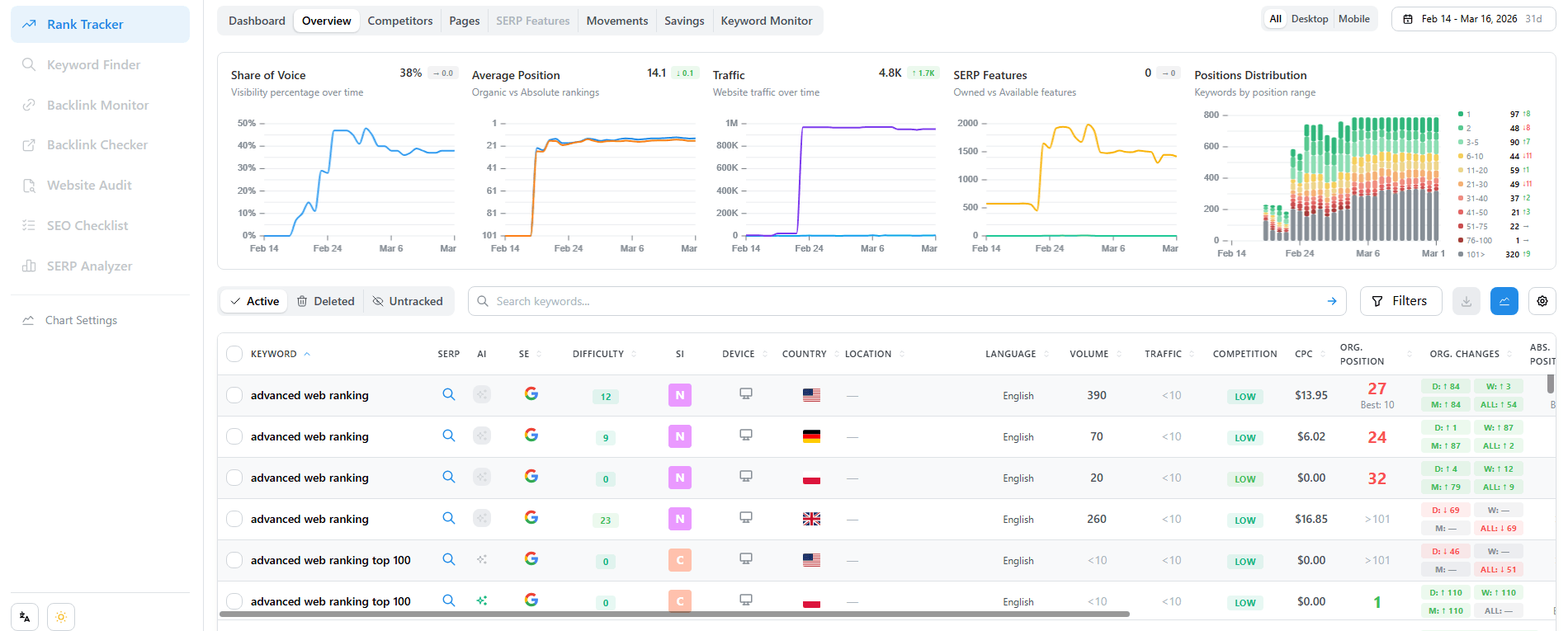
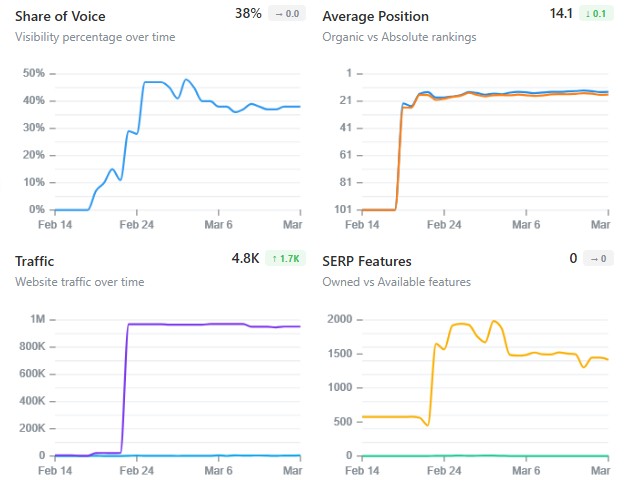
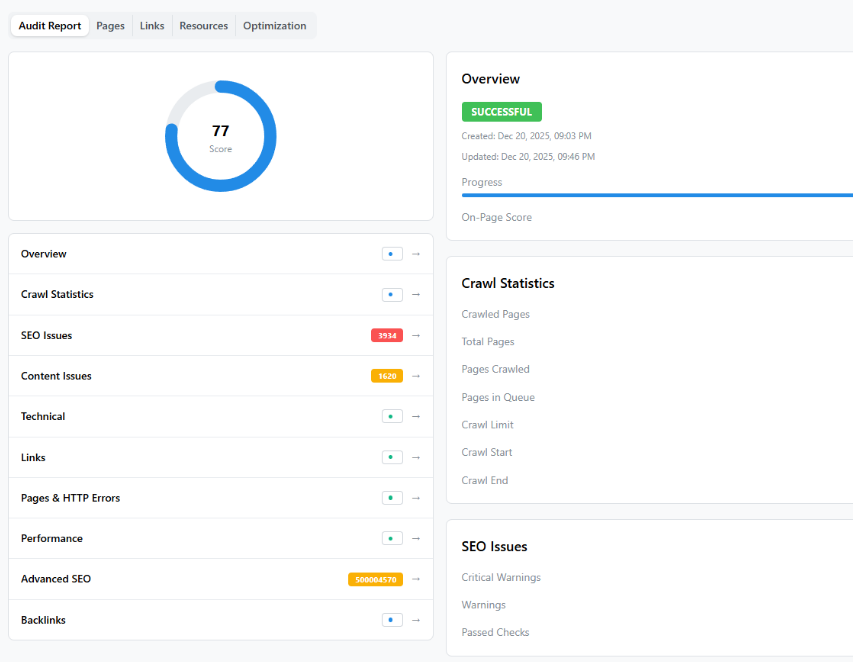
It offers real-time rank tracking, deep technical site audits, and AI search visibility metrics inside a highly intuitive dashboard.
Not broad digital marketing talk. Not abstract reporting. Just practical conversion-focused thinking for teams trying to improve what happens after the click.
Review pages through the lens of clarity, relevance, trust, and action so weak spots stand out faster.
Map where visitors lose momentum and connect those drop-offs to the pages, steps, or messages causing friction.
Surface realistic testing angles around headlines, offers, forms, CTA treatment, page structure, and proof elements.
Keep recommendations tied to outcomes that matter, from lead quality and checkout completion to demo requests and sales efficiency.
Conversion optimization is the work of improving the percentage of website visitors who take a meaningful action. That action could be a purchase, a demo request, a form submission, a quote request, a trial signup, a call booking, a subscription, or any step that moves a visitor closer to revenue. For growth teams, this work matters because traffic alone does not create results. Performance improves when more of the right visitors understand the offer, trust the page, and move forward without unnecessary hesitation.
Conversion Bros is built around that exact goal. The focus is not on vanity metrics or broad marketing language. The focus is on helping teams understand why a page underperforms, where a funnel slows down, and which improvements are most likely to lift results. That makes conversion rate optimization easier to act on, especially for teams that need practical guidance rather than theory-heavy analysis.
When businesses invest in paid traffic, content, partnerships, email campaigns, social promotions, or outbound activity, they usually spend significant time and budget generating visits. If the website experience fails to convert those visitors, acquisition becomes more expensive and growth becomes harder to sustain. Conversion rate optimization helps close that gap. It improves efficiency by helping more existing visitors take action.
That is why conversion rate optimization often creates leverage across the whole marketing engine. Better on-site performance can reduce wasted spend, improve lead generation efficiency, increase revenue per visitor, and strengthen the return from channels already bringing traffic. Instead of chasing more clicks before fixing what happens after the click, smart teams improve the path visitors see once they arrive.
Website conversion optimization is not just about changing button colors or making random design tweaks. Strong CRO work looks at the complete decision environment on the page. That includes headline clarity, message match, offer strength, CTA placement, visual hierarchy, proof elements, form friction, page flow, mobile usability, objection handling, and the overall ease of taking the next step.
It also looks beyond a single page. Many conversion problems come from the journey between pages, steps, or devices. A visitor may click an ad with strong intent, land on a page that feels too generic, start a form that asks for too much, and leave before submitting. In ecommerce, a shopper may engage with a product page but stall at shipping costs, account creation, or checkout complexity. In SaaS, a prospect may show interest but fail to understand the product value quickly enough. In lead generation, weak qualification flow or low-trust forms can drag down performance. Conversion funnel optimization helps make those patterns visible.
Landing page optimization works best when it stays connected to the traffic source, the audience intent, and the conversion goal. A page designed for cold paid traffic needs different messaging than a page seen by branded search visitors. A demo page for enterprise SaaS needs different proof and different friction management than a product page for ecommerce. A lead generation page for local services needs stronger trust, simpler forms, and clearer urgency than a newsletter signup page.
That is why practical CRO does not rely on generic best practices alone. It asks better questions. Is the offer obvious in the first few seconds? Does the page answer the main objections early enough? Is the CTA asking for too much too soon? Does the structure support scanning? Is the proof believable and relevant? Does the page help visitors feel confident about what happens next? These are the details that shape whether traffic converts or disappears.
Conversion funnel optimization looks at the full path toward action. Instead of reviewing one page in isolation, it examines where the journey creates confusion, delay, or drop-off. This is especially important for businesses with multi-step signups, quote flows, application processes, checkouts, or lead qualification sequences. Small moments of friction can compound quickly across a funnel.
For example, a business might have strong top-of-funnel traffic and healthy page engagement but weak form completion. Another might have strong add-to-cart rates but low checkout completion. Another might get many demo page visits but few booked calls. In each case, the issue is not simply traffic volume. The issue is that the website conversion strategy is not helping enough visitors continue. Funnel analysis helps teams locate the breakpoints, understand why they happen, and prioritize the highest-value fixes.
A strong website conversion strategy connects business goals, audience intent, page structure, and next-step actions. It helps teams stop making isolated changes without context. Instead of tweaking random elements, the work becomes more disciplined. Which pages influence pipeline most? Which traffic sources send high-intent visitors? Which steps lose the most people? Which objections appear before conversion? Which actions are easiest to test? These questions lead to better prioritization.
For founders, this means less guesswork about what to improve first. For marketers, it means stronger alignment between campaigns and landing pages. For agencies, it means more credible recommendations tied to performance. For ecommerce teams, it means cleaner paths from product interest to purchase. For SaaS teams, it means better signup and demo flow efficiency. For publishers and lead gen businesses, it means capturing more value from existing attention.
Good CRO services should make website performance easier to understand. They should not bury teams in complexity or hide behind vague experimentation language. They should identify where friction exists, explain why it matters, and suggest actions that connect directly to conversion outcomes. That includes page-level observations, funnel-level analysis, prioritization logic, and realistic testing opportunities.
The most useful CRO services also respect business constraints. Not every team has the resources for major redesigns, long experimentation roadmaps, or complicated implementation cycles. Practical conversion-focused marketing starts with high-impact opportunities that are visible, understandable, and connected to revenue. In many cases, a stronger headline, a clearer value proposition, a better CTA sequence, a shorter form, or more relevant proof can create meaningful gains before larger projects are needed.
One of the biggest reasons CRO efforts fail is poor prioritization. Teams often know that conversion rates could improve, but they are unsure where to start. They may focus on cosmetic edits, internal preferences, or trend-driven ideas that do not address the real barriers on the page. Better decision-making starts with clearer insight into visitor behavior, page intent, and funnel friction.
That is where a focused approach matters. Instead of treating every page problem as a design problem, it helps to look at the actual conversion job the page needs to do. Does it need to build trust fast? Clarify an offer? Reduce anxiety? Support comparison? Explain pricing? Simplify action? Reinforce urgency? Each page has a conversion role, and optimization works best when recommendations match that role.
Conversion-focused marketing is not about adding more complexity to the stack. It is about making the website do a better job of turning intent into action. That means stronger pages, cleaner funnels, and more confidence in the changes being made. When teams can see where friction lives and what likely improves performance, they move faster and waste less effort.
Conversion Bros is positioned for teams that want exactly that kind of clarity. The goal is to support smarter conversion optimization, sharper landing page optimization, and more practical website conversion strategy decisions. Whether the business model depends on leads, checkouts, trials, demos, subscriptions, or inquiries, the principle stays the same: improve the experience so more visitors become customers.

From lead generation to ecommerce and SaaS, the value comes from making conversion issues easier to see and easier to act on.
"We had plenty of traffic but weak form performance. The biggest win was getting much clearer on where visitors were losing confidence. The recommendations felt grounded in actual conversion behavior, not recycled marketing advice."
"Our landing pages looked fine on the surface, but they were doing a poor job moving people toward demos. The analysis helped us simplify the message, tighten our CTA flow, and focus on changes that actually supported pipeline."
"As an agency, we need CRO thinking that is easy to explain to clients and tied to business outcomes. This gave us a much cleaner way to discuss friction, testing opportunities, and funnel priorities."
"We used the insights to rethink product page flow and checkout friction. The result was a stronger understanding of where shoppers were hesitating and which fixes were worth pushing first."
Simple answers for teams exploring conversion optimization and practical CRO support.
Conversion optimization is the process of improving the percentage of visitors who take a desired action, such as buying, signing up, booking, or submitting a form.
Conversion rate optimization, or CRO, is a structured way to improve website performance by reducing friction and making it easier for visitors to act.
It is for marketers, founders, agencies, ecommerce teams, SaaS teams, lead generation businesses, publishers, and website owners who want stronger conversion performance.
It includes reviewing landing pages, forms, CTAs, page structure, messaging, trust signals, and funnel steps to find what may be hurting conversions.
Landing page optimization focuses on improving a single page. Funnel optimization looks at the full path visitors take and where they drop off between steps.
Yes. CRO is especially useful when traffic is already coming in but too few visitors are turning into leads or sales.
Not always. Many gains come from clearer messaging, better CTAs, stronger proof, simpler forms, and smarter page structure.
Any business that depends on website actions can benefit, especially ecommerce brands, SaaS companies, service businesses, agencies, publishers, and lead generation sites.
A website conversion strategy is a plan for improving how pages and funnels turn visitors into meaningful actions tied to revenue.
Because teams need clear priorities. Practical CRO helps identify what to change first so effort goes toward improvements that can actually move results.
Technical guides, ranking strategies, and expert guest posts.
Creative teams today are expected to produce more content than ever before. From social media videos and marketing assets to product content...
Most websites do not have a traffic problem. They have an action problem. Visitors arrive, browse, compare, hesitate, and leave without taking the next step. That gap between attention and action is where conversion optimization matters most. If your site gets visits but too few leads, sales, demos, signups, or inquiries, the issue is often not reach. It is the experience visitors meet once they land.
Conversion Bros is built for teams that want to improve that experience in a focused, practical way. The goal is simple: help more of the right visitors move forward. That means stronger landing page optimization, clearer conversion funnel optimization, and better decisions around the page elements, messages, and flows that shape results. Instead of broad digital marketing language or surface-level commentary, the work stays centered on conversion performance.
Visitors convert when the path feels clear. They need to understand the offer, trust what they see, and feel confident taking action. When that does not happen, conversion rates stall. Sometimes the problem is weak message match. Sometimes it is a headline that says too little. Sometimes the CTA is buried, the form is too demanding, the proof is unconvincing, or the page asks for commitment before trust has been built. Often, several small issues combine into one larger conversion drag.
Website conversion optimization helps uncover those issues before teams waste more budget sending traffic into the same friction. It gives structure to the process of improving how a page persuades, reassures, and moves visitors toward action. For some businesses, that means more qualified leads. For others, it means more completed checkouts, more booked demos, more trial starts, or stronger subscriber growth. The conversion goal changes by business model, but the principle stays the same: remove friction and increase the percentage of visitors who act.
Conversion rate optimization works best when it is grounded in real page behavior and business context. Too many CRO conversations become abstract. Teams hear about testing culture, optimization loops, and endless experimentation, but they still do not know why a landing page underperforms or which changes deserve attention first. Practical CRO solves that by making the decision path easier to read.
That starts with understanding intent. Why did the visitor arrive? What problem are they trying to solve? What level of awareness do they have? What objections are likely present? What would make the next step feel worth it? Once those questions are clearer, recommendations become more useful. A B2B demo page may need sharper positioning and lower-friction call scheduling. An ecommerce page may need stronger product proof and fewer checkout interruptions. A lead generation page may need simpler forms and more visible trust signals. A publisher may need better subscription framing and cleaner on-page prompts.
In every case, conversion-focused marketing is about helping visitors make a decision with less confusion and more confidence.
Many sites lose conversions in predictable places. The top of the page may fail to communicate value fast enough. The offer may be too vague. The CTA may not feel compelling or safe. The layout may bury useful information. Social proof may appear too late. Forms may ask for details visitors are not ready to share. Checkout or signup flows may introduce unnecessary steps. Mobile users may face a clumsy experience that quietly kills momentum.
These issues are easy to miss when teams look at pages too closely for too long. What feels familiar internally can still feel unclear to a new visitor. That is why website conversion strategy needs a fresh, performance-driven lens. The goal is not to make a page look busier, trendier, or more clever. The goal is to make it work harder.
Landing page optimization is often where the clearest gains begin. A landing page has one job: move a visitor toward a defined next action. If too many people leave without acting, the page is failing that job somewhere. The issue may be in the headline, the supporting copy, the CTA framing, the proof, the visual hierarchy, the objection handling, or the overall page flow.
When teams look at landing pages through a revenue lens, priorities change. Instead of debating stylistic preferences, they focus on whether the page supports decision-making. Does the visitor understand the offer in seconds? Is the page aligned with the source that brought them in? Are important questions answered before the CTA? Is the next step appealing, clear, and easy to take? Does the page reduce uncertainty or add to it? These are the questions that lead to stronger conversion outcomes.
Not every conversion issue lives on one page. Sometimes the real problem sits between steps. A visitor clicks through, engages, and then disappears in the transition from interest to commitment. That is where conversion funnel optimization becomes essential. It helps teams understand how momentum is gained, lost, or interrupted across the journey.
For ecommerce teams, this might mean identifying where product interest fails to become checkout completion. For SaaS teams, it might mean understanding why feature-page visitors do not start trials or book demos. For service businesses, it may mean seeing why quote requests drop before submission. For publishers, it may mean improving the path from article engagement to subscription. Funnel analysis gives shape to those drop-offs so improvements are not based on guesswork.
A strong website conversion strategy is selective. It does not try to fix everything at once. It identifies the pages and funnel moments with the highest impact on revenue, then prioritizes changes that improve clarity, trust, and momentum. This is especially important for lean teams that need results without wasting time on low-value edits.
Strong strategy also depends on relevance. The best CRO decisions are shaped by audience intent, offer maturity, traffic source, and business model. A page aimed at cold paid traffic should not behave like a page for warm returning users. A high-consideration purchase needs different proof than a low-friction signup. A lead generation site needs different conversion mechanics than a subscription business. Practical website conversion optimization respects those differences.
The value of CRO services is not just in spotting issues. It is in making those issues easier to understand and easier to prioritize. Teams do not need more vague advice. They need clearer signals about where friction lives, which opportunities are worth testing, and how page changes connect to business outcomes. That is the standard Conversion Bros is built around.
For marketers, that means better alignment between campaign intent and landing page experience. For founders, it means more confidence about where to invest attention first. For agencies, it means sharper recommendations clients can understand. For ecommerce and SaaS teams, it means a more disciplined path toward improving website conversions without forcing every decision through guesswork or internal opinion.
If your site already earns attention, conversion optimization can unlock more value from that attention. Better conversion rate optimization does not replace acquisition. It makes acquisition work harder. It helps ensure that the traffic you have paid for, built, or earned has a better chance of becoming pipeline and revenue.
That is the core idea behind Conversion Bros: practical insight for teams that want to improve conversions with more clarity and less noise. By focusing on landing page performance, funnel improvement, testing opportunities, and revenue-focused actions, the path to stronger on-site performance becomes easier to see. And when the path is easier to see, better decisions follow.
From page-level reviews to funnel thinking, everything here is built to help marketers, founders, agencies, ecommerce teams, SaaS teams, publishers, and lead gen businesses improve conversion performance with more confidence.
Use an A/B test calculator to measure statistical significance, validate...
Calculate average order value fast and use it to evaluate...
Calculate bounce rate fast and use it to diagnose landing...
Calculate cart abandonment rate and estimated revenue opportunity fast. Learn...
Estimate how checkout conversion improvements affect orders and revenue. Learn...
A conversion audit tool helps marketers and CRO teams find...
Use clearer CRO insight to prioritize what to change, what to test, and what can move leads and sales faster.