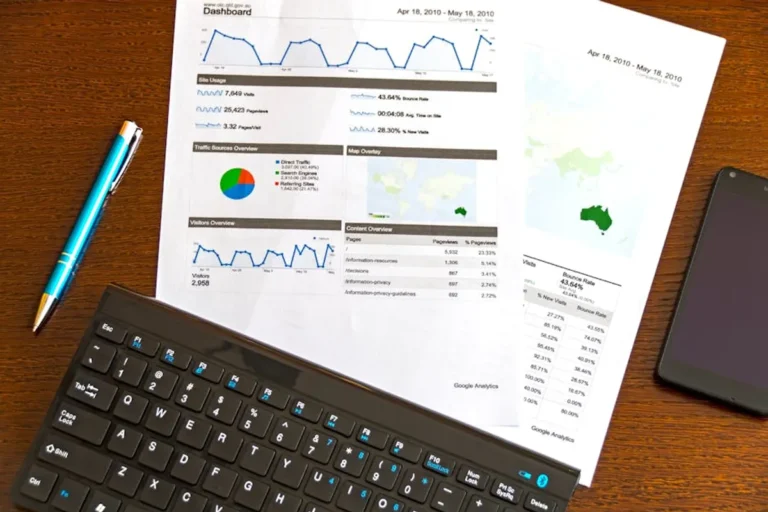
Choosing a rank tracker is less about finding a "best" solution and more about aligning a tool's capabilities with your specific organic growth objectives and conversion goals. This isn't a vanity metric exercise; it's about gaining a granular understanding of your organic visibility, identifying opportunities to capture more qualified traffic, and protecting existing revenue streams. The right rank tracker provides the data necessary to make informed decisions about content strategy, landing page optimization, and competitive positioning. The right rank tracker provides the data necessary to monitor keyword positions accurately and make informed decisions about content strategy, landing page optimization, and competitive positioning.
What a Rank Tracker Delivers for Conversion-Focused SEO
A rank tracker is a specialized software that monitors and reports the search engine positions of your website's pages for specific keywords. While seemingly straightforward, its value extends far beyond simply knowing where you rank. For SEO professionals focused on conversion, a rank tracker offers:
- Early Warning System: Rapid detection of significant ranking drops for high-value keywords, allowing for swift investigation and mitigation before traffic and conversions are severely impacted.
- Opportunity Identification: Pinpointing keywords where your pages are ranking on the cusp of page one (e.g., positions 11-20). These are often high-potential terms requiring a focused optimization push to achieve a significant traffic and conversion boost.
- Competitive Intelligence: Understanding how your competitors are performing for shared keywords, revealing their organic strengths and weaknesses, and informing your own content and link-building strategies.
- Content Performance Measurement: Directly correlating content updates, technical SEO improvements, or new link acquisitions with changes in organic visibility, providing measurable feedback on your efforts.
- SERP Feature Tracking: Monitoring your presence (or absence) in critical SERP features like featured snippets, local packs, and image carousels, which directly influence click-through rates and user journeys, ultimately affecting conversion pathways.
Ultimately, a rank tracker translates raw search engine data into actionable insights, helping you understand where your potential customers are finding (or not finding) you, and how to adjust your strategy to guide them towards your conversion points. This insight is best gained when you track Google rankings daily to capture fleeting changes.
Key Features to Evaluate When Selecting a Rank Tracker
Not all rank trackers are created equal. The "right" tool for your operation depends on your scale, budget, and specific analytical needs. Consider these features critically:
Keyword Tracking Depth and Frequency
This determines how many keywords you can monitor and how often the data is refreshed. Daily tracking provides the most granular view, essential for highly competitive niches or when monitoring volatile SERPs. Weekly or bi-weekly tracking might suffice for broader, less dynamic keyword sets. Assess the tool's capacity for tracking at different geographical levels (global, national, local, city-specific) and device types (desktop, mobile), as these variations can significantly impact user intent and conversion rates.
Justification: Granular, frequent data allows for quicker response to SERP fluctuations, preventing prolonged traffic dips. Local and mobile tracking are critical for businesses targeting specific geographic areas or optimizing for on-the-go searchers, directly influencing local conversions or mobile-first user experiences.
SERP Feature Monitoring
Beyond traditional "blue link" rankings, modern SERPs are rich with features like featured snippets, local packs, image carousels, video results, and "People Also Ask" boxes. A robust rank tracker should identify when your content appears in these features and track their evolution. These elements often capture significant user attention and clicks, directly impacting organic traffic and conversion potential.
Justification: Appearing in SERP features can dramatically increase visibility and CTR, even if your traditional organic rank isn't #1. Monitoring these features helps you optimize content specifically for them, capturing high-intent users earlier in their journey.
Competitor Analysis Capabilities
A valuable rank tracker extends beyond your own domain, allowing you to monitor competitor performance for your target keywords. This includes tracking their ranking positions, identifying keywords where they outperform you, and understanding their overall organic visibility share. Some tools offer historical data for competitors, revealing long-term trends.
Justification: Understanding competitor performance helps identify gaps in your content strategy, discover new keyword opportunities, and benchmark your organic growth. This intelligence can inform defensive and offensive SEO tactics to protect or gain market share.
Reporting and Alerts
Look for customizable dashboards, automated reporting schedules, and the ability to set up alerts for significant ranking changes (e.g., a top-5 keyword dropping out of the top 10). The clarity and exportability of reports are crucial for communicating performance to stakeholders and clients.
Justification: Efficient reporting saves time and ensures stakeholders are consistently informed. Real-time alerts enable proactive intervention, minimizing potential revenue loss from sudden ranking declines or allowing quick capitalization on new opportunities.
Pro Tip: Don't just track ranks; track the *context* around them. A position drop might be less critical if a new SERP feature has appeared above it, or more critical if it's a high-converting keyword. Always connect ranking data to traffic, CTR, and ultimately, conversion metrics to understand the true impact.
Integration with Other Tools
The ability to integrate with platforms like Google Search Console, Google Analytics, or other SEO suites can streamline your workflow and provide a more holistic view of your organic performance. API access is a plus for advanced users who need to pull data into custom dashboards or business intelligence tools.
Justification: Integrations consolidate data, reduce manual effort, and provide a richer context for analysis. Connecting rank data with traffic and conversion data from analytics platforms allows for a direct correlation of organic visibility to business outcomes.
User Interface and Usability
An intuitive interface reduces the learning curve and increases team efficiency. Consider how easy it is to set up new projects, add keywords, filter data, and interpret visualizations. A tool that's difficult to navigate or understand will see low adoption, regardless of its features.
Justification: A user-friendly interface ensures that all team members, regardless of their technical proficiency, can effectively utilize the tool to extract insights, leading to better team collaboration and consistent data-driven decisions.
Pricing Structure
Rank tracker pricing typically varies based on the number of keywords tracked, frequency of updates, and additional features (e.g., competitor tracking, local SEO capabilities, user seats). Understand the tiered plans and how scaling your keyword list or team might impact costs.
Justification: A transparent and predictable pricing model allows you to budget effectively and scale your tracking as your business grows without unexpected expenses. Aligning cost with actual usage prevents overspending on unused features or insufficient keyword capacity.
Strategic Selection for Organic Growth
The selection process for a rank tracker should be driven by your specific business needs, not just a feature checklist. For agencies, multi-client management and robust reporting are paramount. For e-commerce sites, daily tracking of product-specific keywords and SERP feature monitoring (like shopping results) is crucial. Publishers might prioritize broad content keyword tracking and trend analysis. Prioritize features that directly support your ability to drive qualified traffic to your landing pages and optimize for conversion.
Frequently Asked Questions
Why can't I just use Google Search Console for rank tracking?
Google Search Console provides average position data, which can mask daily fluctuations and specific keyword performance. It also doesn't offer competitor tracking or the granular, real-time insights that a dedicated rank tracker provides for proactive SEO management.
How often should I check my keyword rankings?
For critical, high-value keywords, daily monitoring is advisable to react quickly to changes. For a broader set of keywords, weekly or bi-weekly checks are often sufficient. The frequency should align with your market's volatility and the importance of the keywords to your conversion funnel.
Does rank tracking directly improve conversions?
Rank tracking itself doesn't directly improve conversions, but it provides the essential data to inform strategies that do. By identifying ranking opportunities, protecting existing positions, and understanding competitive landscapes, you can refine your content, improve landing pages, and drive more qualified traffic that is likely to convert.
What's the difference between local and global rank tracking?
Global rank tracking monitors your website's performance across the entire search engine index. Local rank tracking, conversely, tracks your rankings as they appear from specific geographic locations (e.g., a particular city or zip code), which is crucial for businesses with physical locations or those targeting local customers.