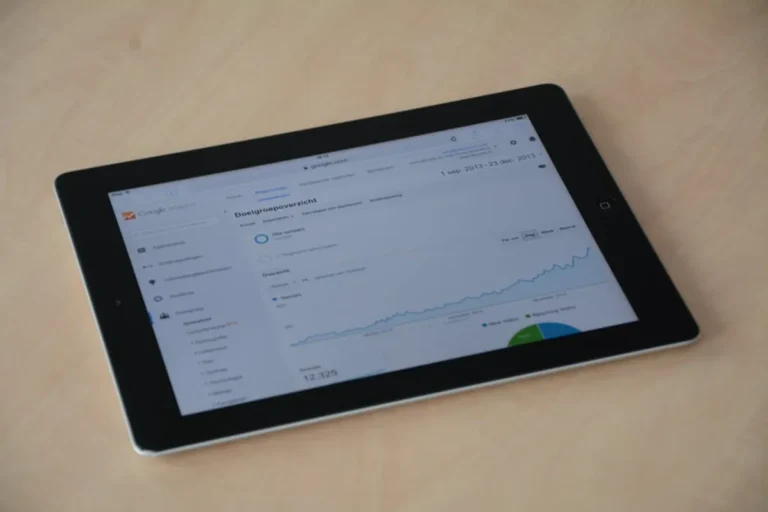
Analyzing the search footprint of webpayblog.com reveals a domain positioned at the intersection of financial technology and digital commerce. For SEO professionals and site owners, this domain represents a specific niche: the informational bridge between complex payment infrastructure and the end-user or small business owner. The commercial value of this traffic is high, as the "web pay" and "online billing" sectors involve high-intent users looking for transactional solutions. Understanding how this site captures and maintains its visibility provides a blueprint for navigating the competitive YMYL (Your Money Your Life) landscape where authority and precision are the primary currencies.
What webpayblog.com Appears to Cover
The content strategy of webpayblog.com centers on the digital payment ecosystem, likely prioritizing instructional content and industry updates. From a topical authority perspective, the domain targets a cluster of keywords revolving around electronic billing, merchant services, and digital wallet integrations. This is not merely a general finance blog; it focuses on the technical and procedural aspects of moving money online. The editorial scope likely includes deep dives into specific payment gateways, troubleshooting common transaction errors, and explaining the fee structures associated with various merchant accounts.
By focusing on these specific technical hurdles, the site builds a profile of utility. For an online business reader, the value lies in the site's ability to deconstruct opaque financial processes into actionable steps. This includes coverage of cross-border payment challenges, security protocols like PCI compliance, and the evolution of mobile payment adoption. The density of technical terminology suggests an audience that is already active in the digital economy but requires specific clarity on the mechanics of their financial stack.
Where Its Search Traffic May Come From
The primary engine for webpayblog.com is likely long-tail informational search. In the payment sector, users rarely search for broad terms like "money"; instead, they search for specific solutions to immediate problems. This results in a traffic profile dominated by "how-to" queries and "how does [service] work" strings. These queries are less competitive than high-level head terms but offer significantly higher conversion potential for affiliate or lead-generation models.
Geographically, the traffic likely skews toward regions with high e-commerce penetration. Because digital payment standards vary significantly by country, the domain may attract localized traffic by addressing specific regional gateways or currency conversion issues. Furthermore, a portion of the traffic likely stems from navigational queries where users are looking for direct login pages or specific support documentation that the blog has optimized for better than the actual service providers. This "support-gap" SEO strategy is a common way for third-party blogs to capture high volumes of relevant users.
Search Intent Behind the Subject
The search intent directed toward webpayblog.com is predominantly a mix of informational and commercial investigation. Users landing on the site are often in the middle of a problem-solving cycle. They might be comparing two different payment processors or trying to understand why a specific transaction was declined. This intent is highly valuable because it precedes a financial decision. If a user is researching the difference between two merchant APIs, they are likely in the consideration phase of a purchase.
There is also a significant "utilitarian" intent. This involves users looking for quick answers to recurring tasks, such as setting up recurring billing or finding the customer service contact for a specific payment portal. By satisfying this intent, webpayblog.com establishes itself as a functional resource rather than just a passive reading destination. This type of intent leads to higher dwell times and lower bounce rates, provided the content directly answers the query without excessive preamble.
Why Traffic May Rise or Fall
Visibility for a domain like webpayblog.com is highly sensitive to search engine core updates, particularly those focusing on E-E-A-T (Experience, Expertise, Authoritativeness, and Trustworthiness). Because the site deals with financial transactions, any perceived lack of author credentials or outdated information can lead to rapid declines in rankings. Conversely, traffic may rise during periods of significant industry change, such as new government regulations on digital assets or major updates to popular payment platforms, as users flock to search engines for explanations.
Seasonality also plays a role. E-commerce peaks, such as the fourth quarter holiday season, typically see a surge in payment-related queries as new businesses launch and existing ones troubleshoot high transaction volumes. A fall in traffic could be attributed to "SERP features" where search engines provide direct answers to payment questions in a featured snippet, reducing the need for the user to click through to the blog. Maintaining a diverse portfolio of long-tail keywords is the domain's primary defense against these fluctuations.
How the Site Could Improve Organic Visibility
To scale its organic presence, webpayblog.com could benefit from a more aggressive implementation of structured data. Using "HowTo" and "FAQ" schema would allow the site to occupy more real estate on the search results page, directly addressing user pain points before the click. Additionally, strengthening the internal linking structure between broad educational guides and specific service comparisons would help distribute link equity more effectively across the domain.
Another avenue for growth is the expansion into "alternative" payment methods. As decentralized finance and localized digital wallets gain traction, being the first to provide authoritative guides on these emerging technologies can secure early-mover advantage in search. The site could also improve visibility by optimizing for "comparison" keywords—specifically those that pit legacy systems against modern fintech solutions. This captures users at a critical junction in the buyer's journey, shifting the site from a simple information provider to a strategic advisory resource.
What to Check Before Trusting Traffic Estimates
When evaluating the traffic of webpayblog.com through third-party analytics tools, it is vital to account for the "dark traffic" inherent in the fintech niche. Many users access payment-related information through secure browsers or private windows, which can lead to underreporting in standard SEO tools. Furthermore, one must distinguish between "bot traffic" targeting payment forms and genuine human readers seeking information. High traffic numbers are only useful if they correlate with high-intent keywords rather than generic, low-value terms.
It is also important to look at the trend line rather than a single snapshot in time. A sudden spike in traffic might indicate a viral news piece that has little long-term commercial value, whereas a steady, incremental growth pattern suggests a healthy, evergreen content strategy. Always verify if the keywords driving the most traffic are relevant to the actual business goals of the site, as "vanity" keywords in the finance space can often inflate numbers without providing actual commercial utility.
Is webpayblog.com a news site or a tutorial site?
The domain appears to function primarily as a tutorial and resource hub, focusing on "how-to" content and system explanations rather than breaking news, which helps it maintain consistent evergreen traffic.
Does the site cover international payment systems?
Based on the broad nature of the "web pay" niche, the site likely covers both global standards and specific regional payment challenges, making it relevant for a diverse international audience.
Why is the search traffic for this domain considered high-value?
The traffic is high-value because it targets users at the point of transaction or financial setup, which is a critical stage for lead generation and commercial decision-making.
How does the site handle financial authority requirements?
As a site in the YMYL category, it likely prioritizes factual accuracy and technical detail to satisfy search engine requirements for financial and transactional content authority.