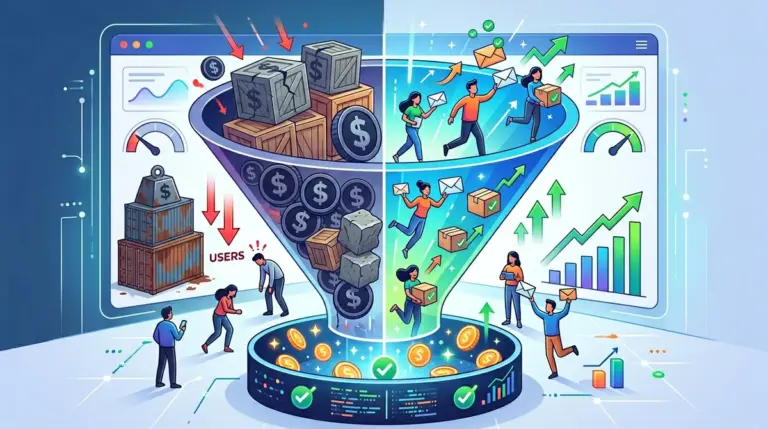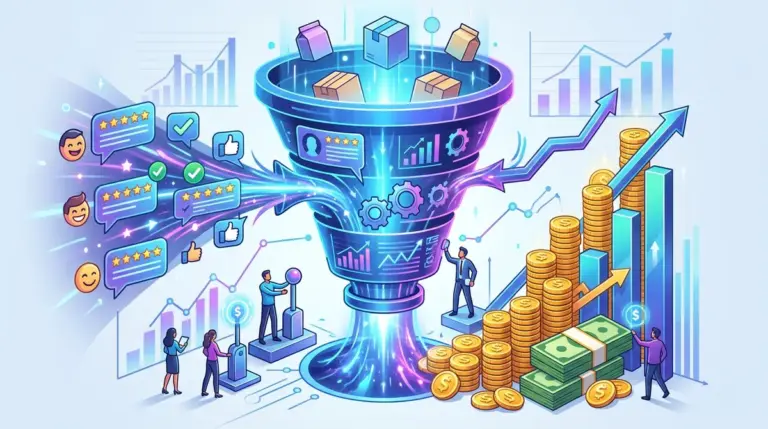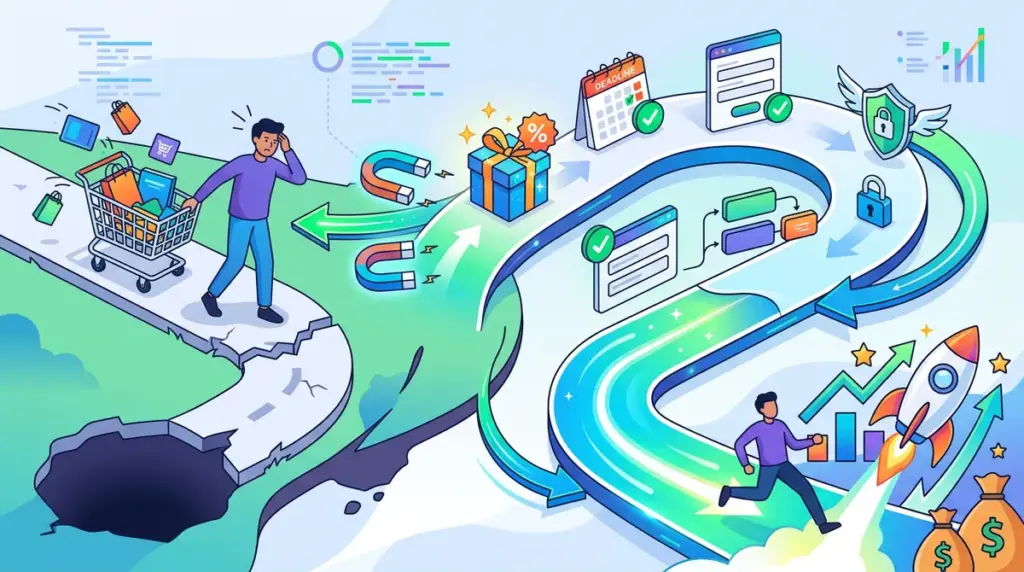
Cart abandonment is not a failure of interest; it is a failure of the checkout environment. When a user adds an item to their cart, they have already crossed the highest psychological hurdle of the buyer’s journey. The drop-off that follows is typically the result of friction points that trigger a "stop and think" moment rather than a "click and buy" action. For high-growth e-commerce brands, reducing abandonment from 70% to 65% can represent a 15% to 20% lift in top-line revenue without spending an extra dollar on top-of-funnel traffic. Focusing on these friction points can be key to improving add-to-cart rates and overall conversion.
Eliminating Mandatory Account Creation
The single greatest point of friction in the modern checkout flow is the forced account creation wall. Data from the Baymard Institute consistently shows that roughly 24% of shoppers abandon because the site wanted them to create an account. From a CRO perspective, this is an unnecessary barrier that interrupts the momentum of the purchase. The solution is a guest checkout option that captures the email address as the very first field.
Best for: Direct-to-consumer (DTC) brands with high impulse-buy potential.
By capturing the email address upfront, you secure the ability to remarket even if the user drops off at the shipping or payment stage. You can offer account creation on the "Thank You" page after the transaction is complete, framing it as a way to "track your order" rather than a prerequisite for buying. This shifts the cognitive load from a barrier to a post-purchase benefit.
The Psychology of the Progress Bar
Uncertainty kills conversions. If a shopper doesn't know how many steps are left in the process, they are more likely to bail when they hit a complex form. A clear, linear progress bar provides a roadmap that reduces anxiety. It should ideally be broken down into three or four distinct stages: Information, Shipping, Payment, and Review.
Visualizing Completion
Use a progress bar that "fills in" as the user completes sections. This leverages the Zeigarnik effect, a psychological phenomenon where people feel a compulsion to finish a task they have already started. If they see they are 75% of the way through, the "sunk cost" of the time already invested encourages them to push through the final payment fields.
Precision Retargeting with Dynamic Creative
Generic "Did you forget something?" ads are increasingly ignored. Effective retargeting requires dynamic creative that pulls the exact product image, name, and price from the user's abandoned session. This reminds the shopper of the specific value proposition they were interested in.
Best for: High-SKU retailers and multi-category marketplaces.
- Frequency Capping: Limit retargeting ads to 3-5 impressions over 48 hours to avoid brand fatigue.
- Social Proof Integration: Include a 5-star review snippet for the specific product in the ad creative.
- Cross-Device Continuity: Ensure the ad deep-links directly back to the pre-filled cart, not the homepage.
Pro Tip: Never offer a discount in your first recovery touchpoint. Doing so trains your customers to abandon their carts intentionally to wait for a coupon code. Save the 10-15% discount for the final email in a 72-hour sequence to capture price-sensitive shoppers who haven't converted after two reminders.
Multi-Stage Recovery Email Architecture
A single "abandoned cart" email is insufficient. You need a structured sequence that addresses different psychological barriers at different times. The timing of these sends is as critical as the copy itself.
The 60-Minute Window
The first email should fire within 60 minutes of abandonment. At this stage, the intent is still fresh. The copy should be helpful rather than salesy. Use phrases like "Is there a problem with your order?" or "We've saved your cart for you." This is also the time to address technical hurdles, such as a declined card or a site glitch.
The 24-Hour Follow-Up
If the first email fails, the second send at the 24-hour mark should focus on social proof and urgency. Mention that "inventory is moving fast" or "this item is a customer favorite." Include 2-3 testimonials from verified buyers to neutralize any lingering "buyer's remorse" or skepticism about the product quality.
Micro-Copy and Risk Reversal
The final stages of a checkout are where "risk anxiety" peaks. Users worry about shipping costs, return policies, and data security. You can mitigate this through strategic micro-copy placed near the "Complete Purchase" button. Instead of a generic "Secure Checkout" badge, use specific language like "Free 30-Day Returns" or "Arrives by Friday."
Best for: High-AOV (Average Order Value) products where the purchase requires more deliberation.
Transparency regarding total costs is non-negotiable. Unexpected shipping fees or taxes at the very last step are the leading cause of abandonment. If you cannot offer free shipping, provide a shipping calculator on the product page or cart page so the "sticker shock" happens before they enter the checkout funnel.
Deploying the Recovery Stack
To maximize your recovery rate, audit your current checkout flow against these four high-impact changes. Start by enabling guest checkout and moving the email capture to the very first field. Next, implement a three-part email sequence with a 1-hour, 24-hour, and 72-hour cadence. Finally, add risk-reversal micro-copy near your primary CTA buttons. These adjustments do not require a total site redesign but offer immediate, measurable improvements to your conversion floor. Stop treating abandonment as a lost cause and start treating it as a segmented audience that requires a specific, low-friction path back to the finish line.
Cart Abandonment FAQ
Does offering free shipping always increase conversion?
While free shipping is a powerful incentive, it is not always viable for low-margin items. Often, "Flat Rate Shipping" or a "Free Shipping over $X" threshold is more effective at protecting margins while still providing the transparency users need to complete a purchase without surprise costs at the end.
How many emails should be in an abandonment sequence?
The data suggests that a three-email sequence is the sweet spot. The first for immediate assistance (1 hour), the second for social proof (24 hours), and the third as a final "last chance" offer with a discount (48-72 hours). Beyond three emails, the ROI drops significantly and unsubscribe rates begin to climb.
Should I use exit-intent popups for cart recovery?
Yes, but only if they offer immediate value. An exit-intent popup that triggers when a user moves their cursor toward the "close tab" button can be highly effective if it offers a "Save my cart" feature or a one-time shipping code. Avoid generic "Don't go!" messaging that adds no utility to the user experience.